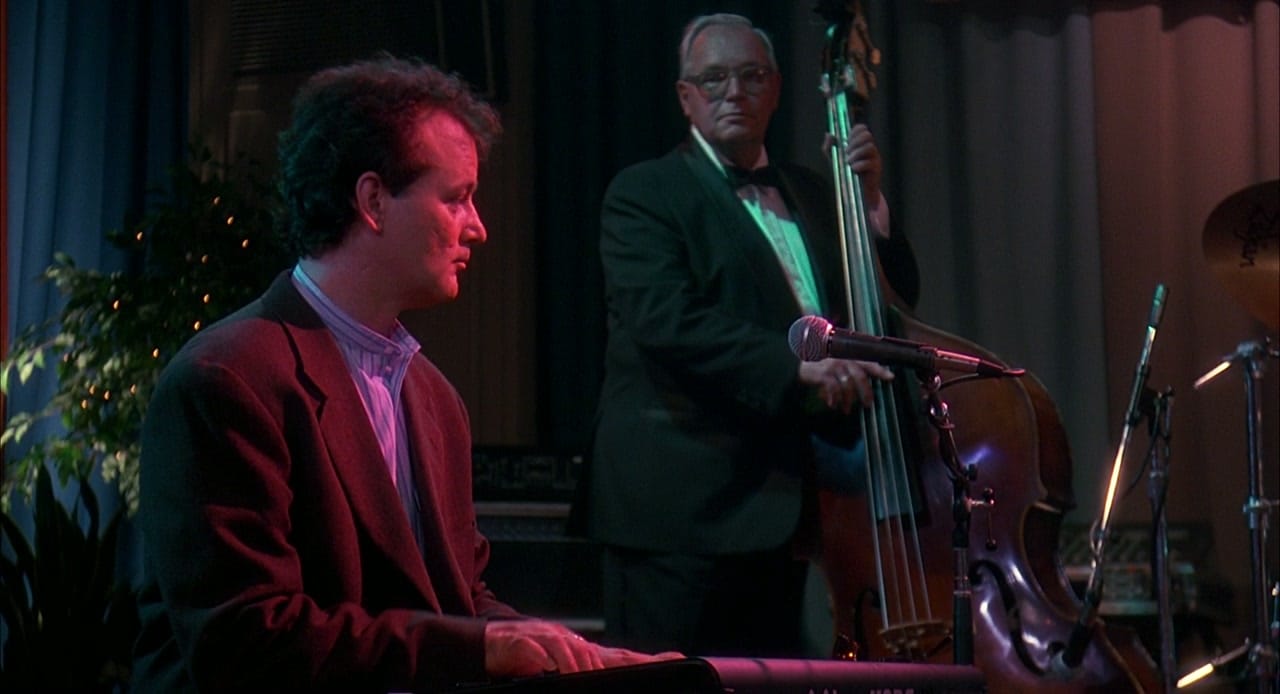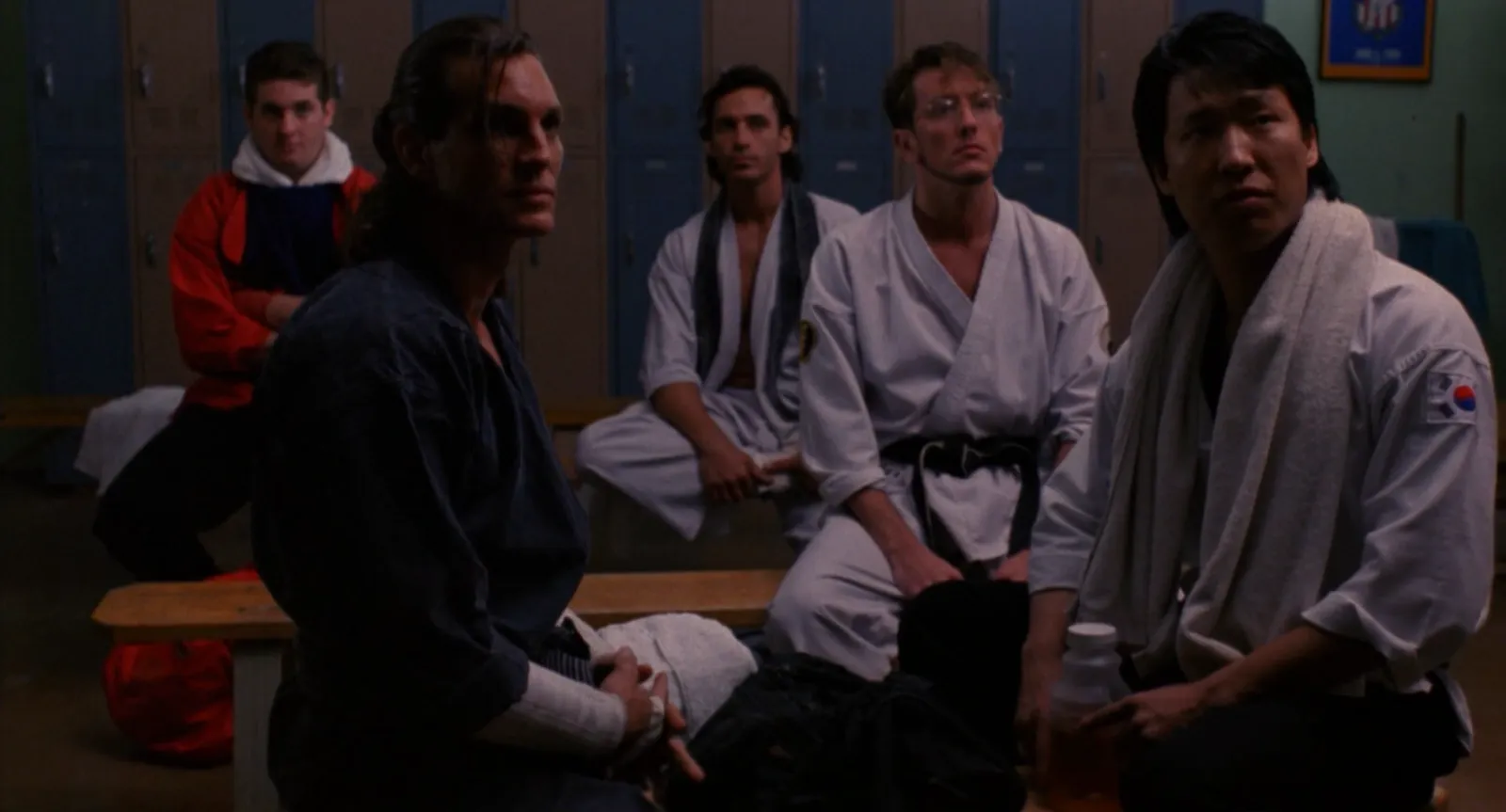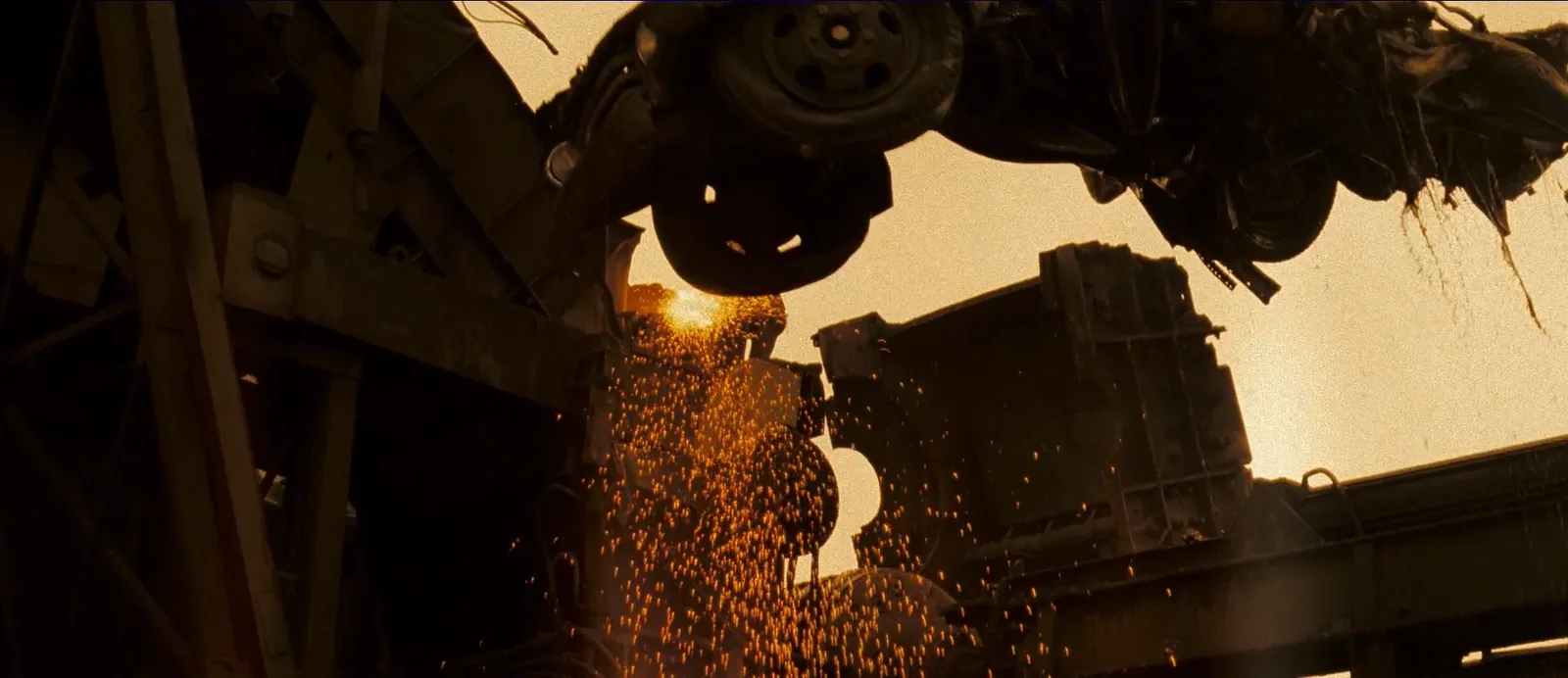
When I hear Jim Croce’s “I Got a Name,” I think about Invincible. Specifically, those images of working-class Philadelphia in the 1970s, with economic uncertainty hanging over everything. There’s a subtle melancholy to that combination of music and setting. It gives me a feeling about the place and the people before I’ve had much time to get to know them. The song accompanies the film’s opening.
“One Life” from Yesterday does something different. It makes me smile every time I hear it. I think about family and love, and some of what the movie left me feeling comes back with the music.
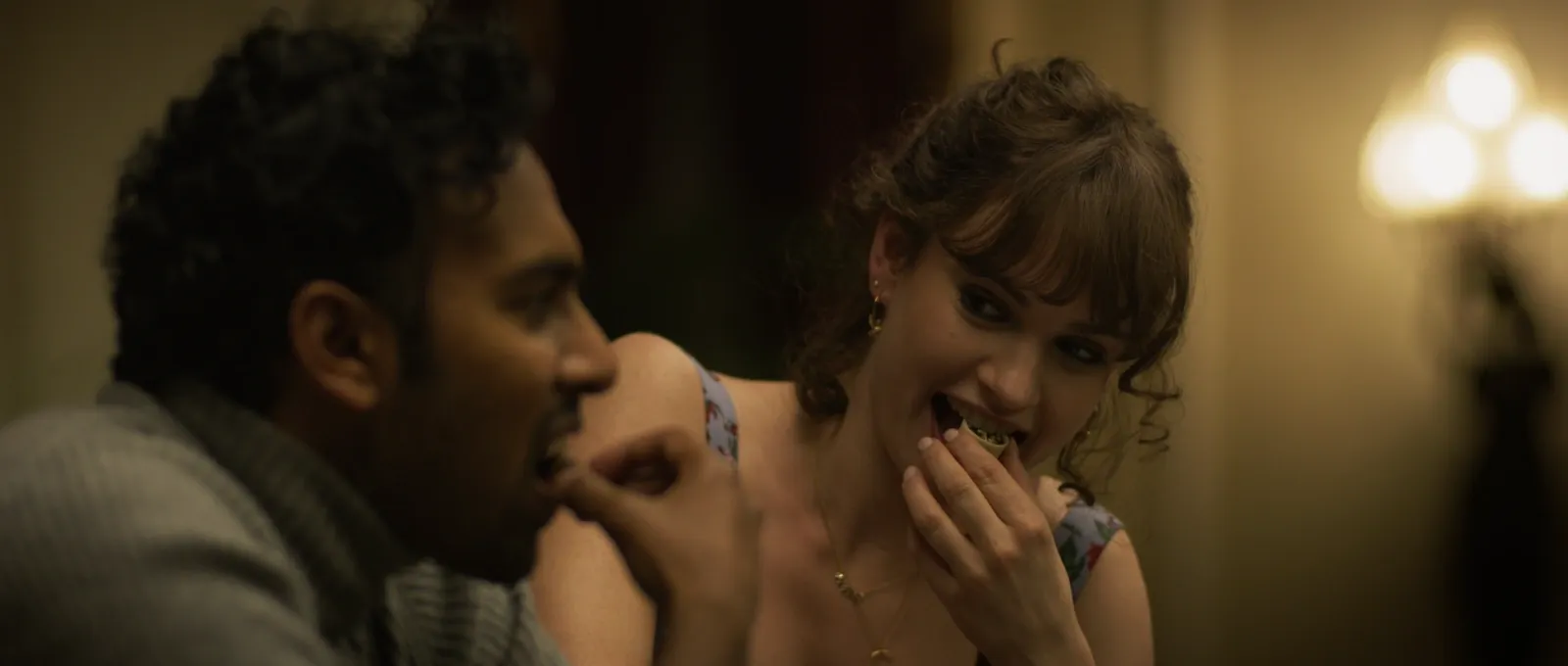
That’s what I’ve been trying to put my finger on. A movie can connect your heart and your brain strongly enough that a song brings part of the experience back years later.
Once I started thinking about examples, the list kept growing. “The Power of Love” from Back to the Future.
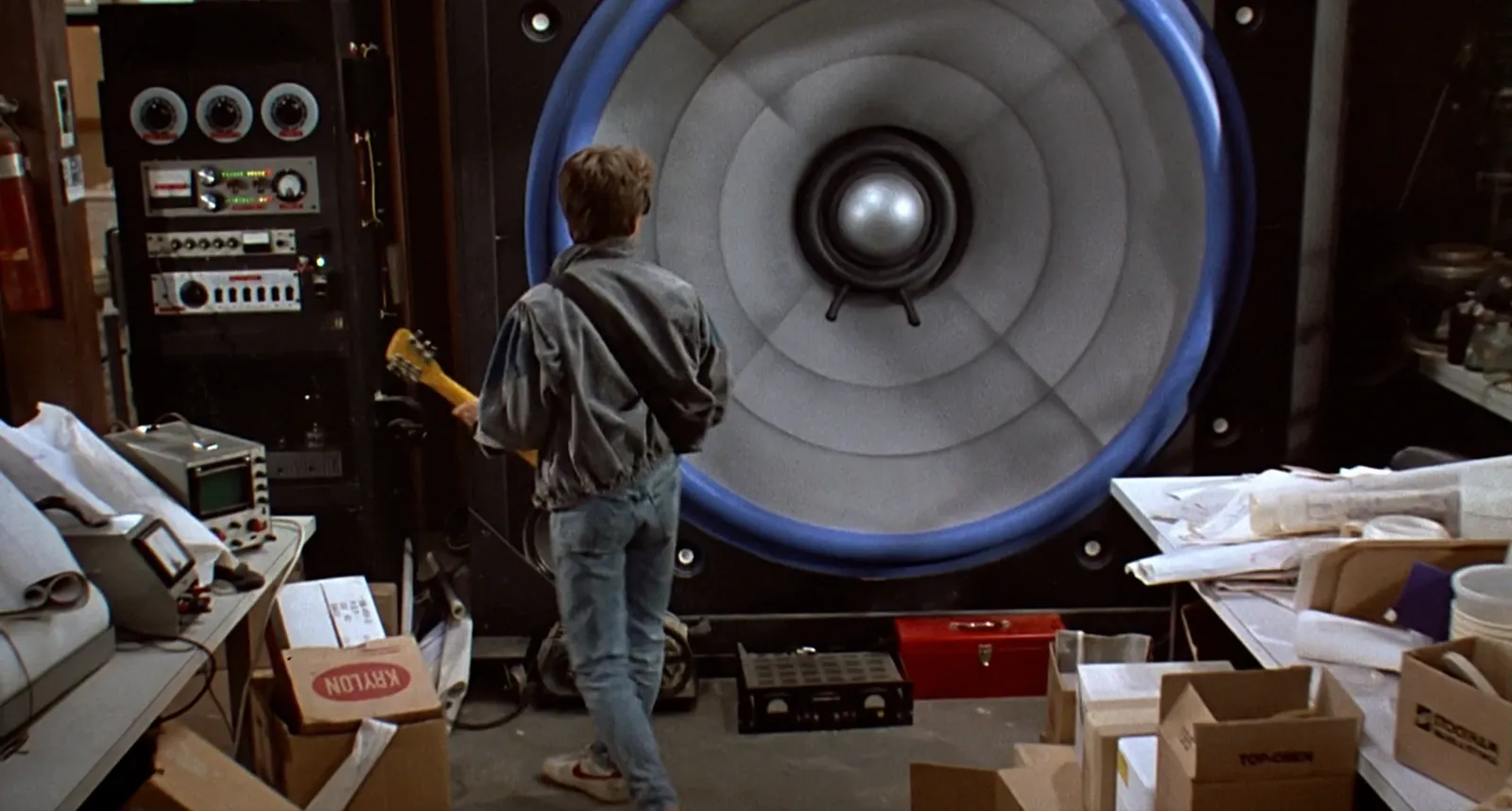
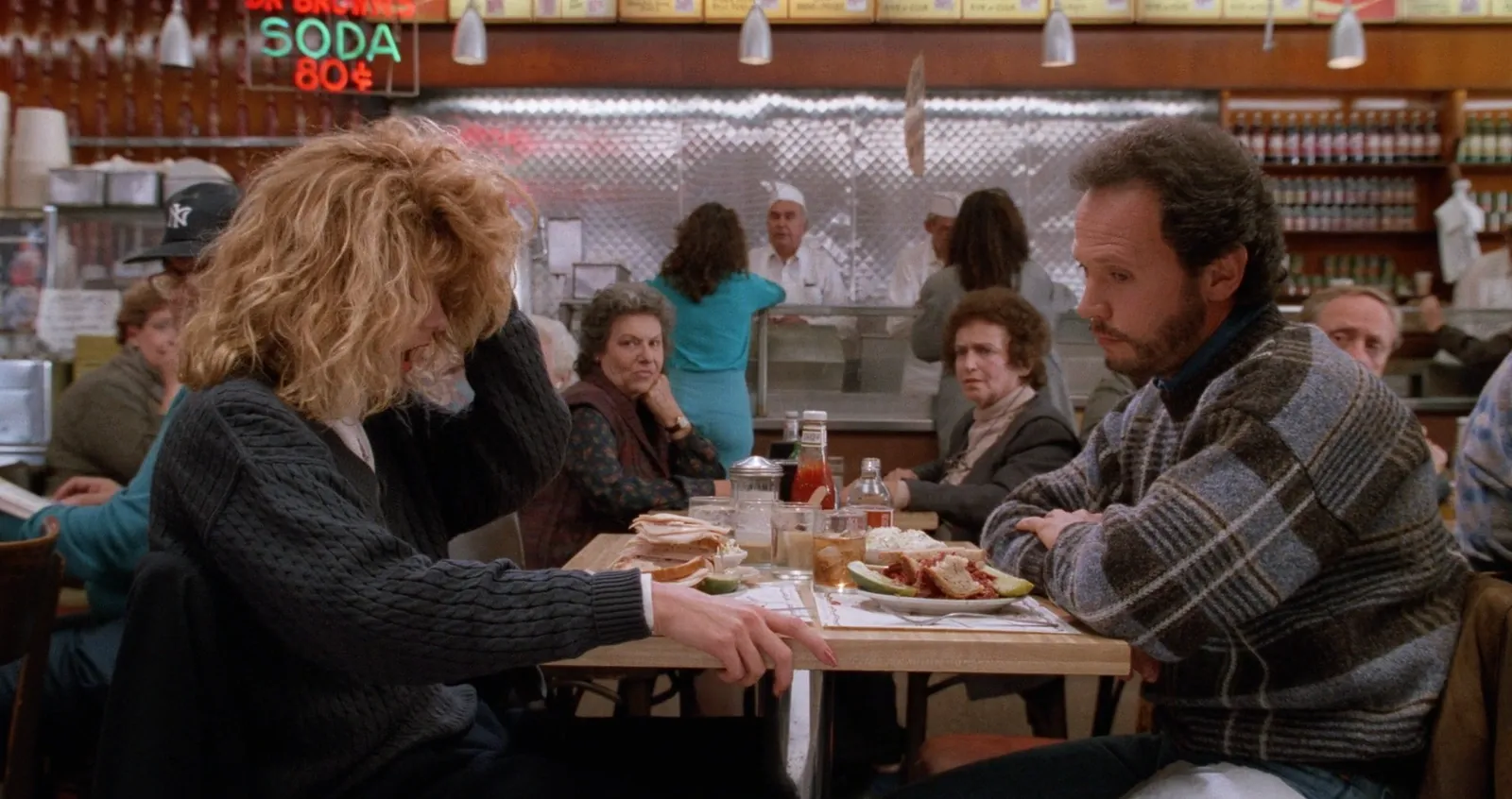
“It Had to Be You” from When Harry Met Sally. “Blaze of Glory” from Young Guns II. Then I remembered “Who’s Johnny” from Short Circuit, and apparently we’re going to be here a while.
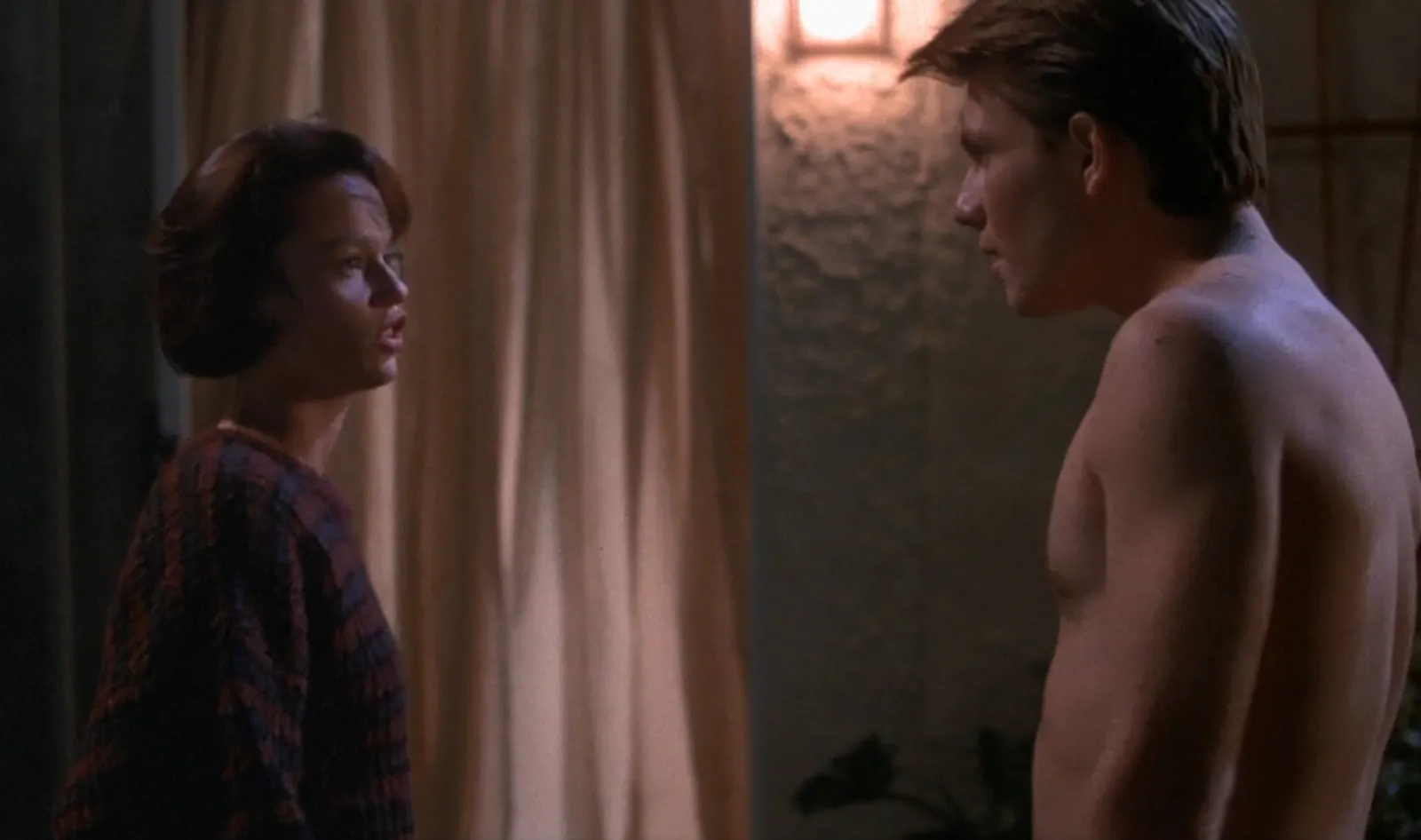
Pump Up the Volume gives me two more examples. Leonard Cohen’s “Everybody Knows” is the recurring signature of Mark’s pirate-radio broadcasts. There are two recordings to keep straight: Cohen’s original runs through the film, while Concrete Blonde’s cover arrives at the climax and appears on the soundtrack album. Director Allan Moyle discusses those choices in this oral history of the film.
Then there’s Ivan Neville’s “Why Can’t I Fall in Love,” accompanying Mark and Nora’s romantic scene. The same movie uses music to give a public voice to an isolated kid and to make a private moment between two people feel more vulnerable. Those are very different jobs for a soundtrack, and both serve the characters.
And it isn’t limited to movies. “At This Moment” by Billy Vera & the Beaters became inseparable from Alex and Ellen’s relationship on Family Ties. It first accompanied their developing romance in 1985, then returned in 1986 as Alex dealt with Ellen leaving for Paris. That latter story is “Starting Over”; Vera’s account explains how the song’s return fit the heartbreak. Ellen was played by Tracy Pollan, who later married Michael J. Fox.
The same song could bring back the beginning of that relationship and the hurt of losing it. By then, the story had given it a history.
Sometimes the music brings back a specific scene. Other times it carries the personality of the whole movie. And sometimes it introduces you to a song you want to keep listening to long after the credits.
Something in the story has made the music matter to you.
I find that kind of connection harder to come by than a movie I simply enjoy.
Take Bullet Train. I thought it was excellent. The pacing worked, the dialogue was great, and I enjoyed the characters. I had a good time watching it; however, I didn’t come away feeling emotionally attached to any of them.
That doesn’t make it a bad movie. It does help explain the distinction I’m making. A film can be entertaining and well executed without leaving me particularly invested in its people. With something like Invincible, the music still brings back a feeling about the lives being portrayed.
Keep in mind, the past has an advantage here. We’ve had years to forget the forgettable movies and revisit the ones that mattered to us. Comparing those favorites with whatever happens to be new this weekend isn’t an entirely fair contest.
And the ability to make that connection certainly still exists.
A Star Is Born gave us music closely tied to its characters and relationships. More recently, Project Hail Mary did it with “Sign of the Times.” Sandra Hüller chose the Harry Styles song for her character’s karaoke scene. Speaking to Jimmy Fallon, Ryan Gosling said it “became the anthem of the film and it’s become sort of like the heartbeat of the movie.” Universal Music Publishing Group documents both the quotation and her song choice.
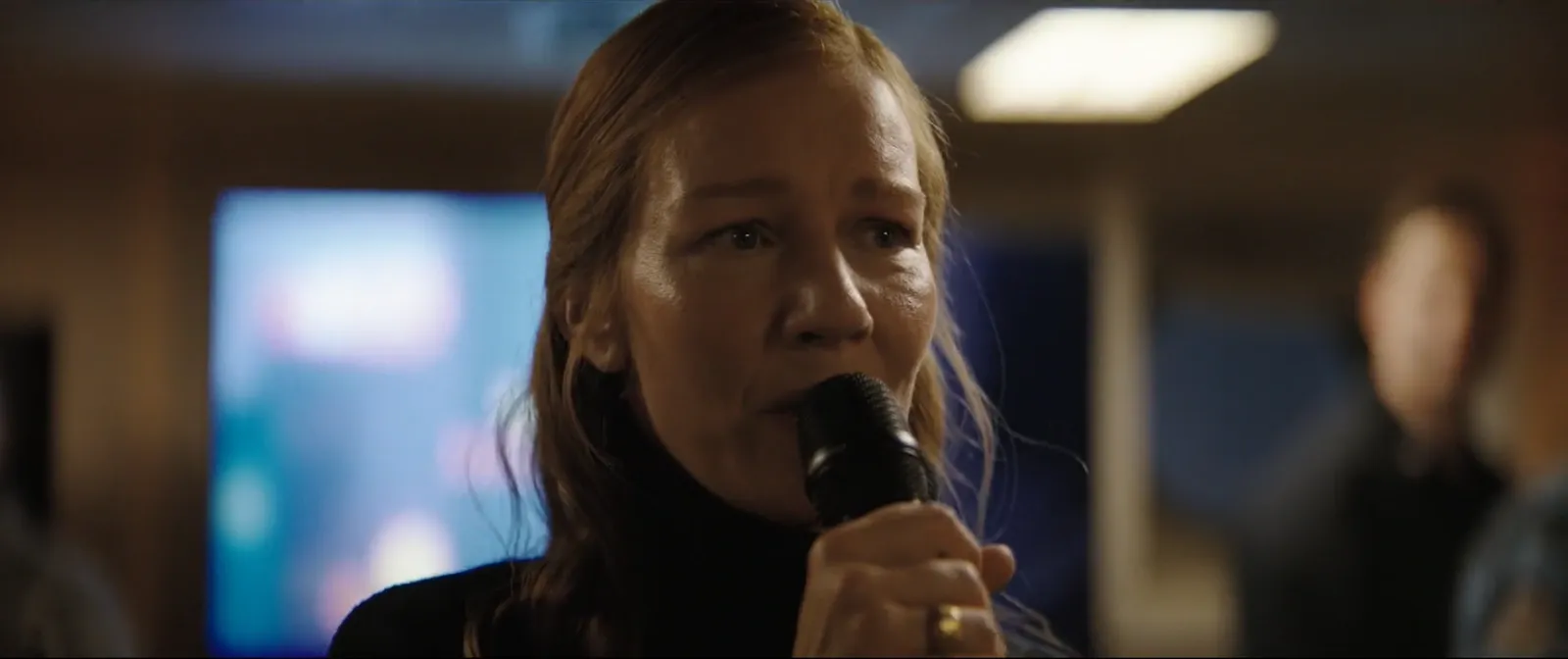
“Heartbeat” is a useful description. The music becomes part of what makes the story feel alive.
But filmmakers also make choices that interrupt that connection, sometimes in stories where the audience has already spent years caring about the characters.
The Force Awakens gives me a particularly frustrating example. After Han’s death, the survivors return to the Resistance base. Leia embraces Rey while Chewbacca passes by.
What the hell sense does that make?
Leia and Chewbacca have a shared history, and they’ve both just lost Han. A moment between them could have carried years of that relationship without either character saying a word. Instead, the film moves past an acknowledgment that, to me, should have been obvious.
Abrams later acknowledged the scene was a mistake. His explanation involved Chewbacca concentrating on getting the injured Finn help. I appreciate the acknowledgment; however, the explanation doesn’t put the missing moment back into the movie. Leia could still have embraced Rey afterward. There was room to recognize both relationships.
Then there’s the “eat your broccoli” feeling, when I become more aware of a point the filmmakers want to make than the story I’m watching.
In Avengers: Endgame, the female heroes assemble during the final battle to help move the gauntlet forward. Suddenly, I’m watching a conspicuously arranged group shot. They paused my movie to give me a “take a look at this girl power moment.”
The writers have described wanting to celebrate those characters. I understand the intention. The staging still pulled me out of the movie.
These characters were already participating in the battle and contributing to it. Deliberately gathering them together made me notice the arrangement. I stopped following the action and started thinking about the decision behind the shot.
A big heroic pose can work. These movies contain plenty of them. But for me, this particular moment made the characters feel like participants in a presentation rather than people responding to the situation around them.
Those are different kinds of disappointment. One scene overlooks a relationship I care about. The other draws my attention to the filmmakers’ message. Both interrupt my involvement in the story.
I also wonder how much the streaming business contributes to the experience I’m describing. Does the pressure to capture attention quickly leave enough room to build an attachment slowly? I don’t have evidence that streaming explains the difference I’m feeling. I do think it’s reasonable to ask what kind of viewing experience a movie is being made for.
An expensive-looking production doesn’t automatically make an emotional connection. Beautiful photography and impressive effects are things I can appreciate, but I still need a reason to care about what happens to somebody.
That’s why I keep coming back to the music. Hearing “I Got a Name” brings back the mood of that Philadelphia setting. “One Life” still makes me smile and think about family. Something from those movies stayed with me.
If I’m reaching for my phone during a movie, I’d much rather it be because I need to know what song is playing.