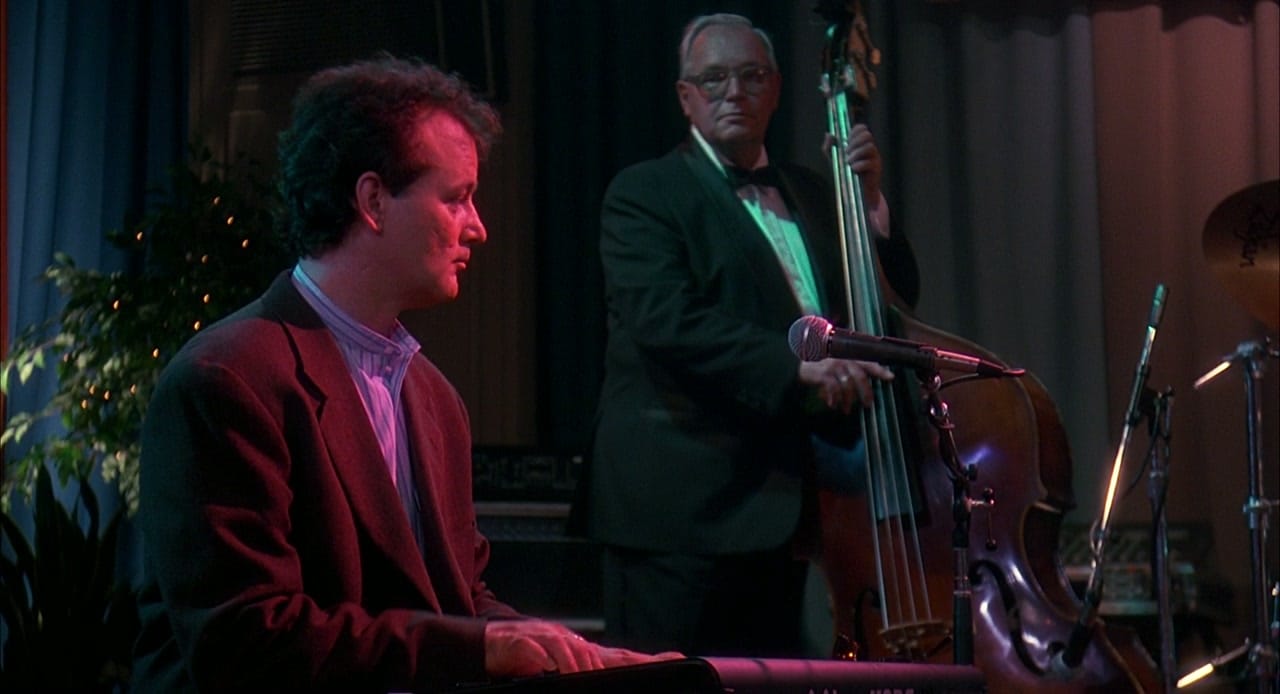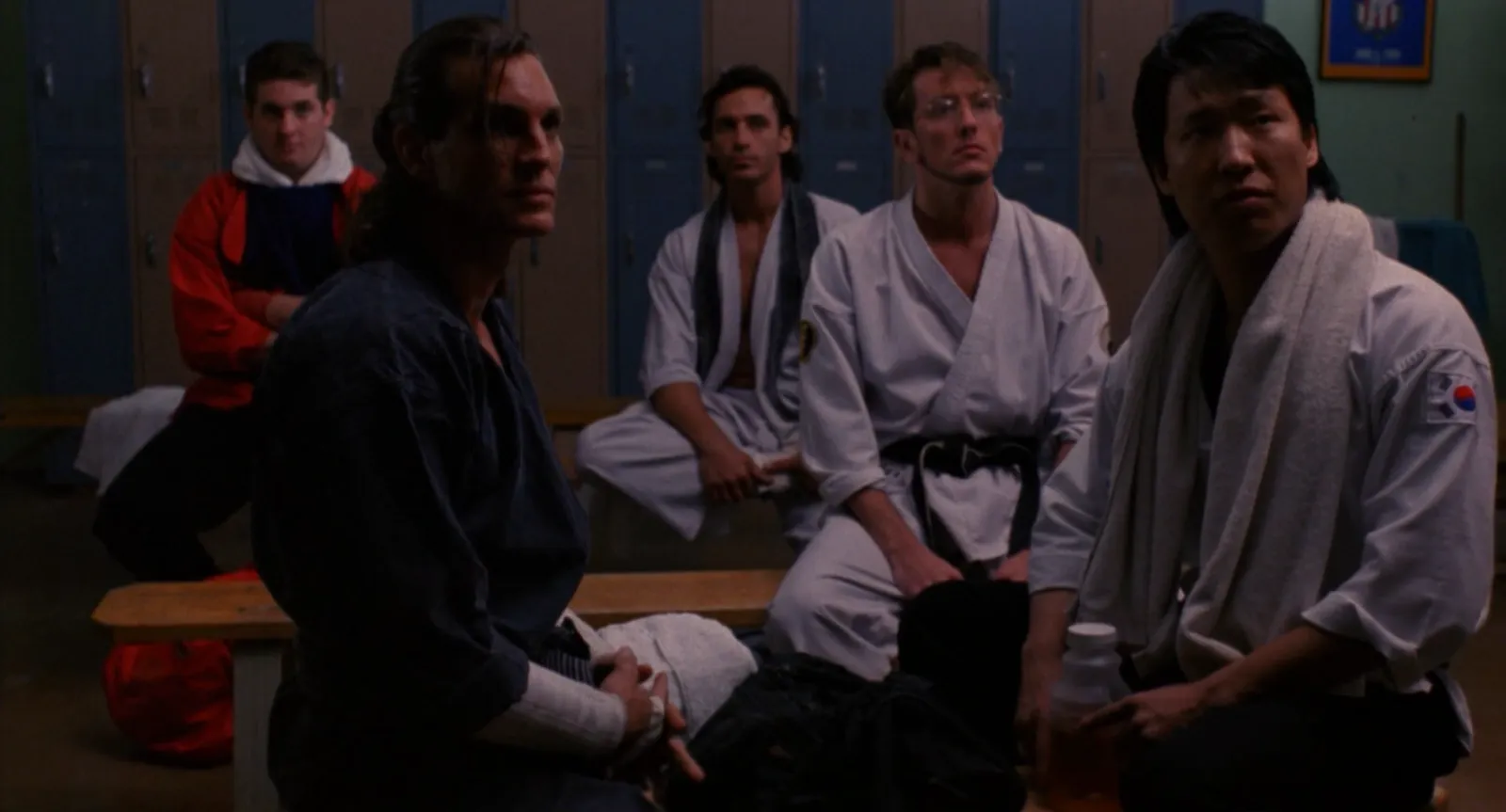
I rewatched Best of the Best today, the 1989 martial arts movie with Eric Roberts, Phillip Rhee, Christopher Penn, and James Earl Jones. This falls comfortably into my guilty pleasures bucket. Training montages, ’80s music, karate, and enough familiar sports-movie tropes that you can probably anticipate the next scene. I recognize all of that; however, I still enjoy watching it.
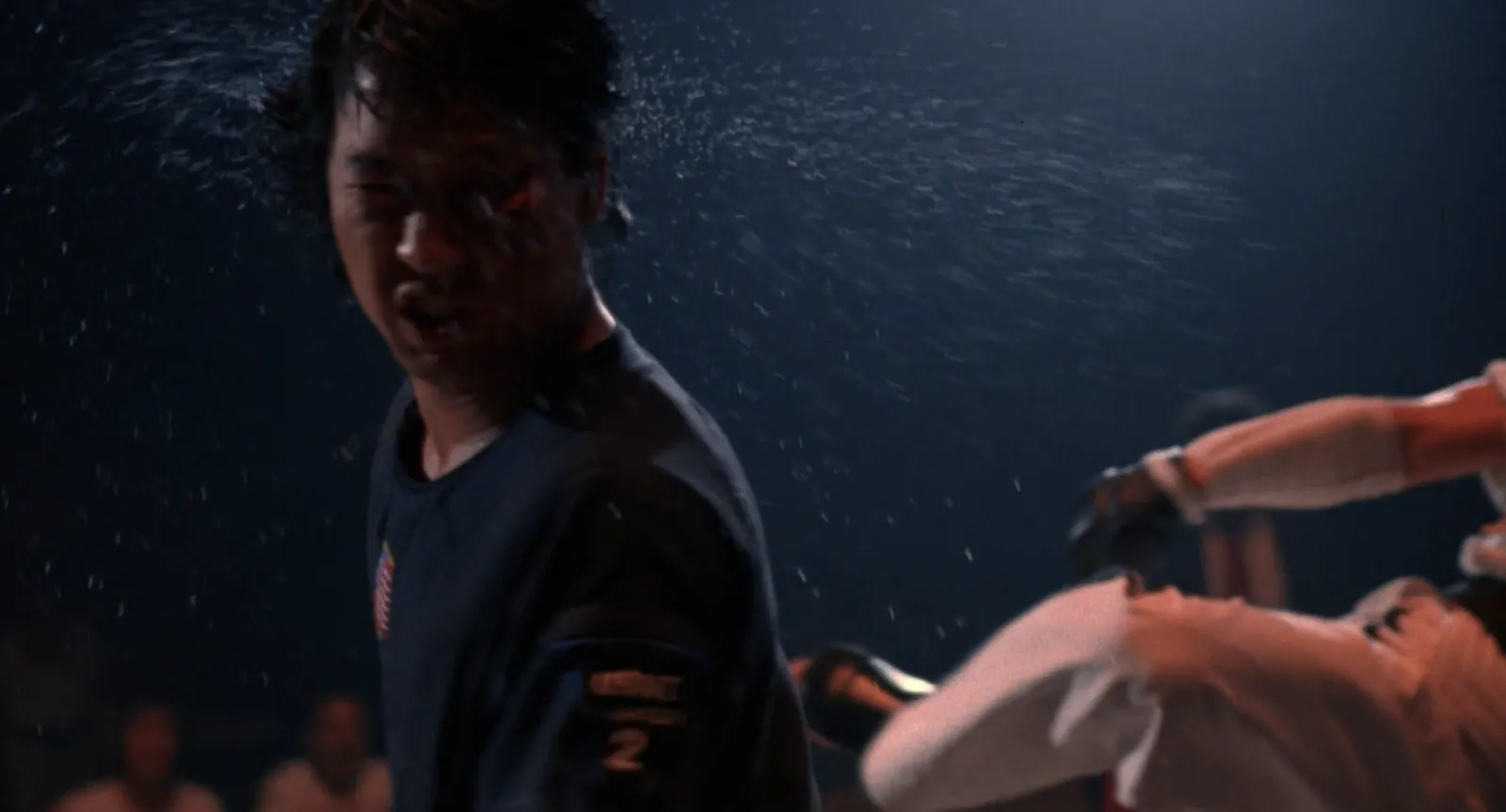
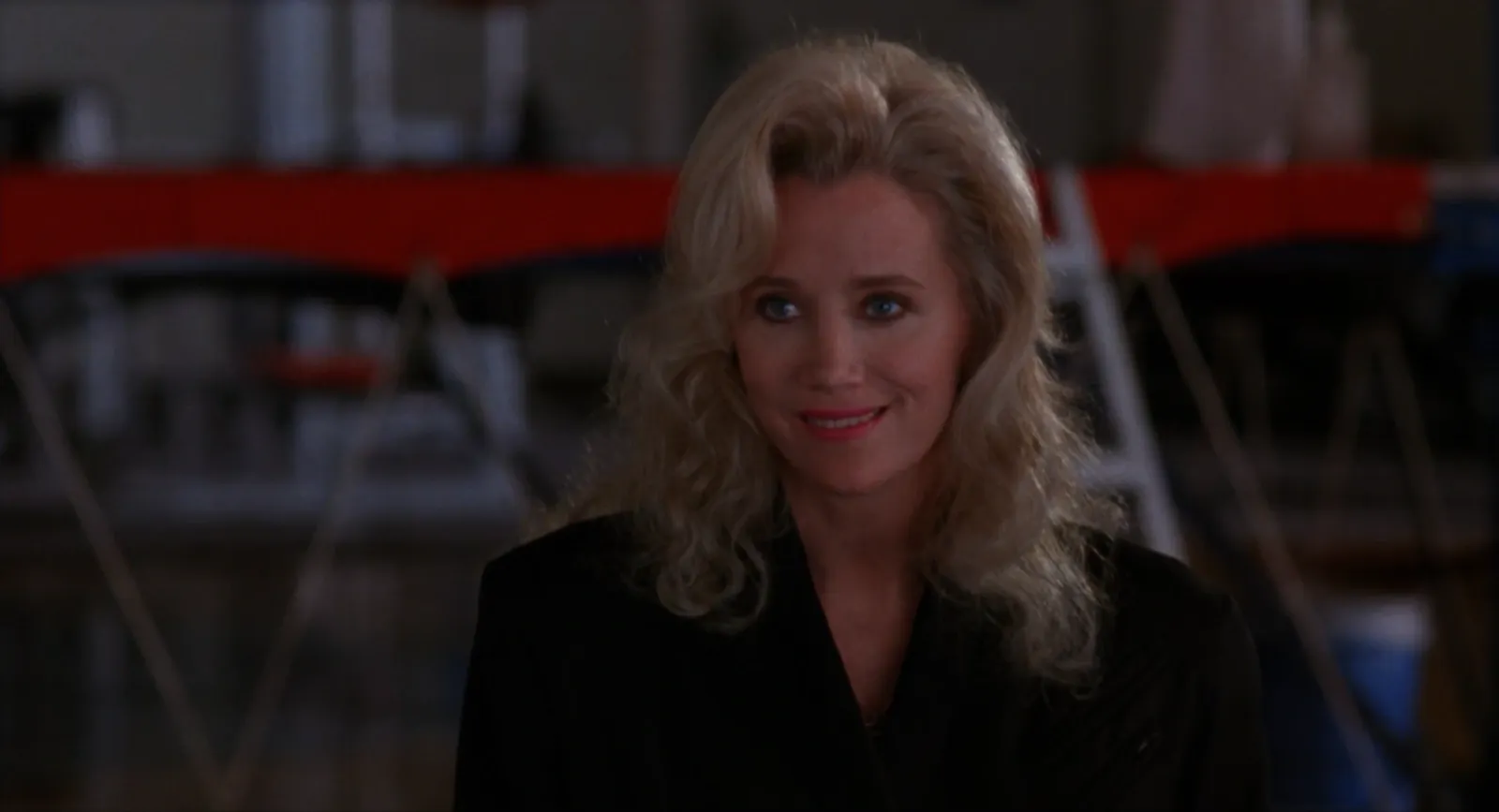
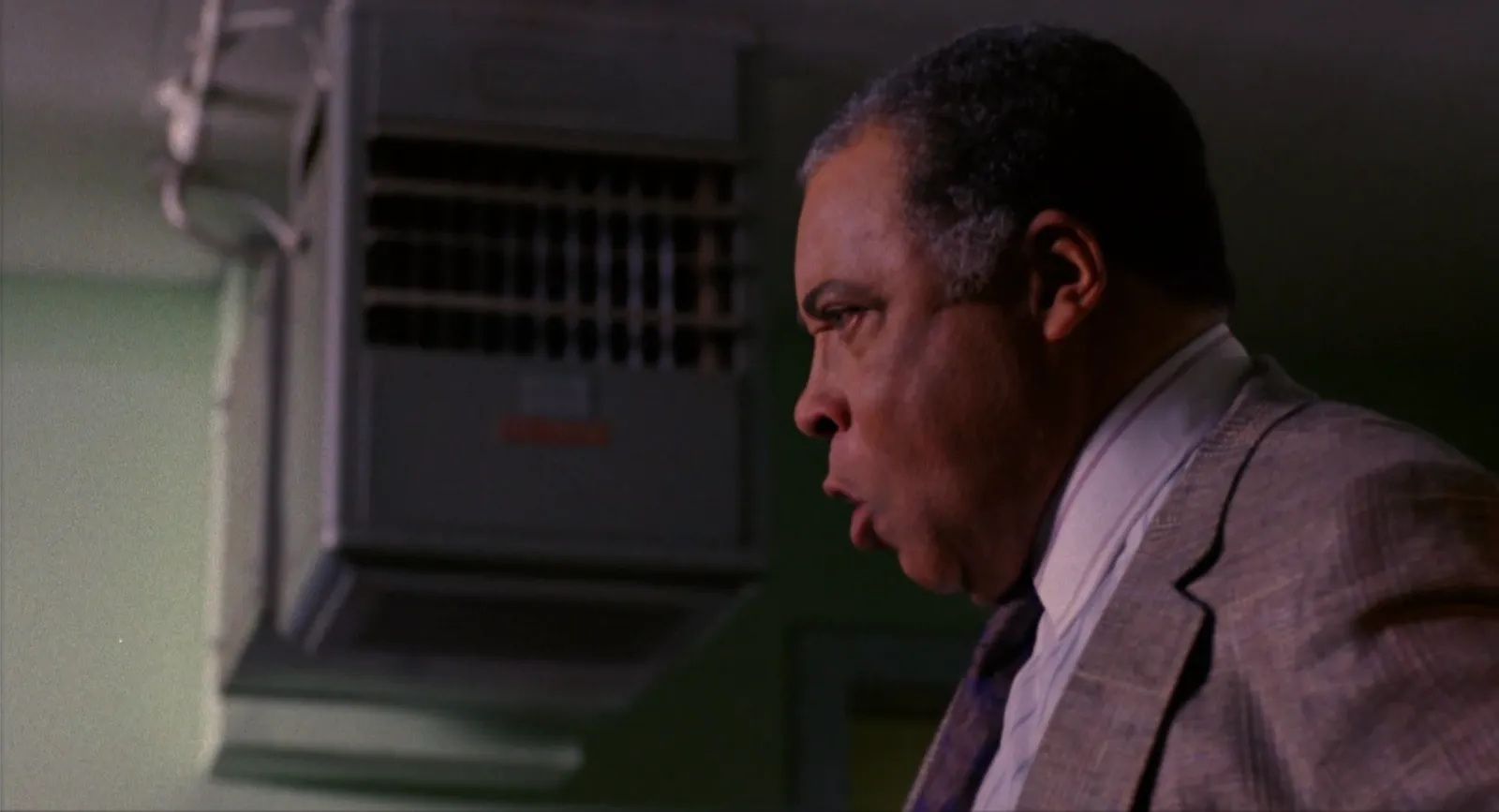
What caught my attention this time was Sally Kirkland’s character, Catherine Wade. James Earl Jones plays Coach Couzo, while Wade brings a different approach to preparing the fighters mentally. They have different ideas about what the team needs.
In my view, she earns the respect of the coaches and the fighters through what she contributes. She doesn’t have to enter the tournament. Her importance doesn’t depend on demonstrating that she could beat every man on the team.
That seems like a perfectly reasonable way to write a capable woman.
People have different skills. A coach contributes something a fighter needs. Someone who understands concentration and emotional control can help a physically capable person who struggles with those things. There’s room for everybody to matter, even when their contributions look different.
Which left me wondering how much of this movie would survive being made today.
The American team consists of four white fighters and one Asian fighter. Their coach is black. Wade is a woman working with a team of men. I have a hard time imagining that exact arrangement being presented today without somebody feeling the need to adjust it or make a point about it.
I can’t tell you what would happen in a studio meeting. I can tell you that, as a viewer, I’ve become increasingly aware of whether a story seems to be working through a set of expectations about representation. Once I start noticing those decisions, it becomes harder to stay interested in the characters.
I don’t think every ensemble needs to establish somebody’s sexuality, either. If it matters to the character or the story, there’s something to explore. Its absence doesn’t automatically leave a hole that needs filling.
Keep in mind, Best of the Best has plenty to say about how people treat each other. It deals with prejudice, respect, grief, and learning to function as a team. I’m certainly not holding it up as some beautifully subtle piece of filmmaking. Subtlety was apparently unavailable during production.
But Wade’s role works for me. She has something useful to offer, and the men eventually recognize it. Their accepting her help doesn’t diminish them. Her helping them doesn’t diminish her.
I would like more films to be comfortable with that arrangement. A woman can have authority, judgment, and influence without being written as another fighter. Give her something meaningful to contribute, then let us see why it matters.
Film credits: AFI Catalog. Contemporary review: Roger Ebert, November 10, 1989. Film stills supplied from my rewatch of Best of the Best (1989).