I think Groundhog Day belongs in the conversation about a perfect comedy script.
That's a big claim. Plenty of movies make me laugh harder in individual scenes. But when I look at how this movie fits together, how much work each repeated encounter does, and how it earns its ending, it's hard to find much I'd change.
Start with Phil Connors. He's good at his job, knows he's good at it, and thinks that should have bought him a better life by now. A better assignment. A better town. People worth his time. He's in Punxsutawney because somebody sent him there, and he wants everyone to know it.
Then he gets stuck.
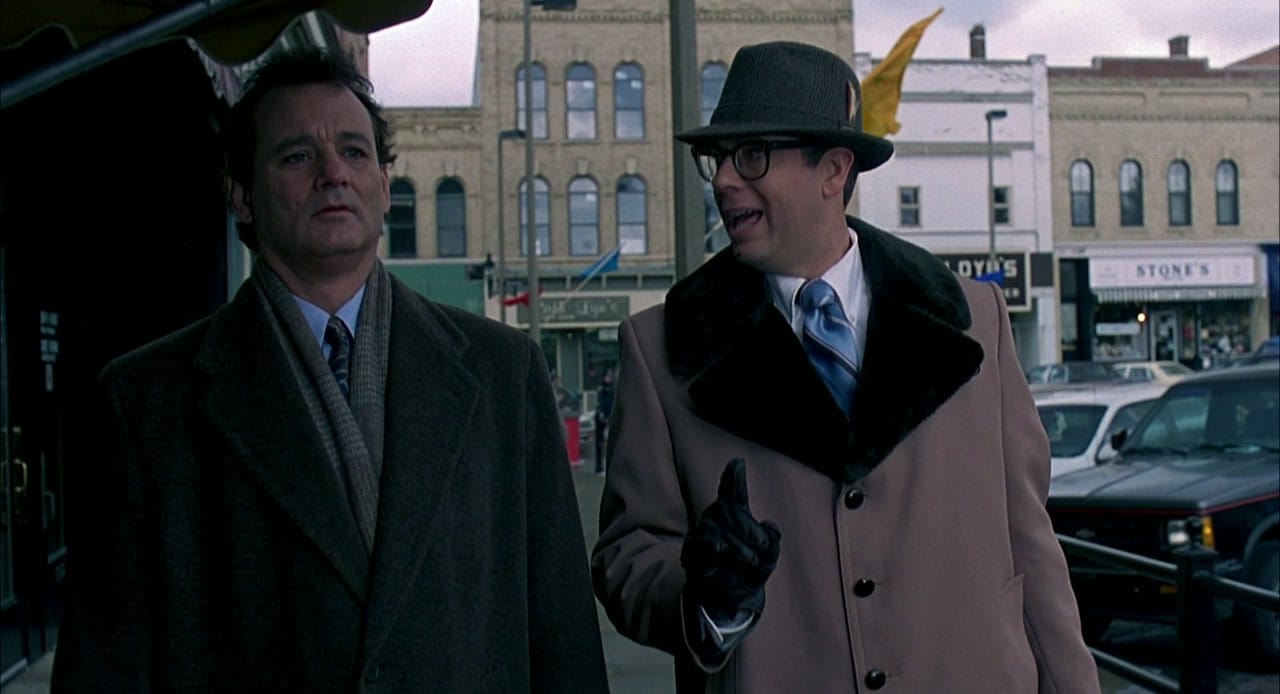
There's something especially satisfying about that punishment. Phil spends his life looking past the people around him. Now he has to see them every single day. The guy who can barely tolerate one conversation with Ned Ryerson has an unlimited number of Ned Ryerson conversations ahead of him.
That alone could carry a pretty funny movie. What makes the script so good is how much it gets out of those encounters.
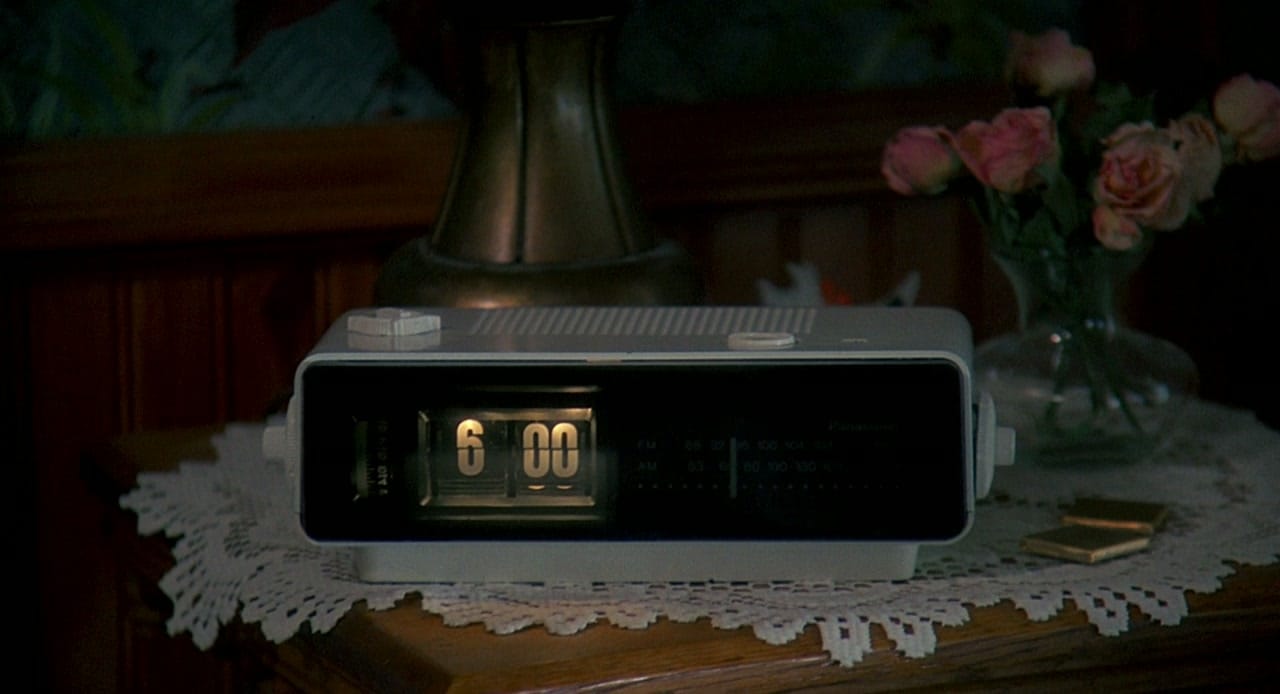
We learn the day along with Phil. We know the alarm clock, the puddle, the breakfast conversation. After a while, the movie barely needs to set anything up. We already know what's coming, so we're watching for what Phil will do differently.
Ned is probably the best example. Same guy. Same enthusiasm. Same insurance pitch. Phil can avoid him, punch him, or make his entire day by buying insurance. Every version tells us where Phil is at that point in the movie.
And yes, watching Bill Murray punch Ned Ryerson is funny. I'm not going to pretend all my appreciation is about screenplay structure.
The bigger challenge is keeping that premise interesting for an entire movie. There are only so many things you can do with "what if there were no consequences?" before you're watching a collection of sketches.
Groundhog Day gets past that because Phil keeps finding new things to want.
First, he wants to get out. Then he realizes he can enjoy himself. Eat whatever he wants. Steal money. Use what he knows to get people to do what he wants. Tomorrow, nobody remembers.
Eventually, even that gets old.
I like that the movie follows the idea far enough to make unlimited freedom miserable. Phil can have another perfect meal, another reckless night, another attempt at getting everything his way. He's still waking up as Phil Connors.
That becomes painfully clear with Rita.
He approaches her like a problem he can solve with enough attempts. Find out her favorite drink. Learn what she likes. Say the right thing at the right time. If something goes wrong, adjust it tomorrow.
He's rehearsing a relationship she doesn't know they're having.
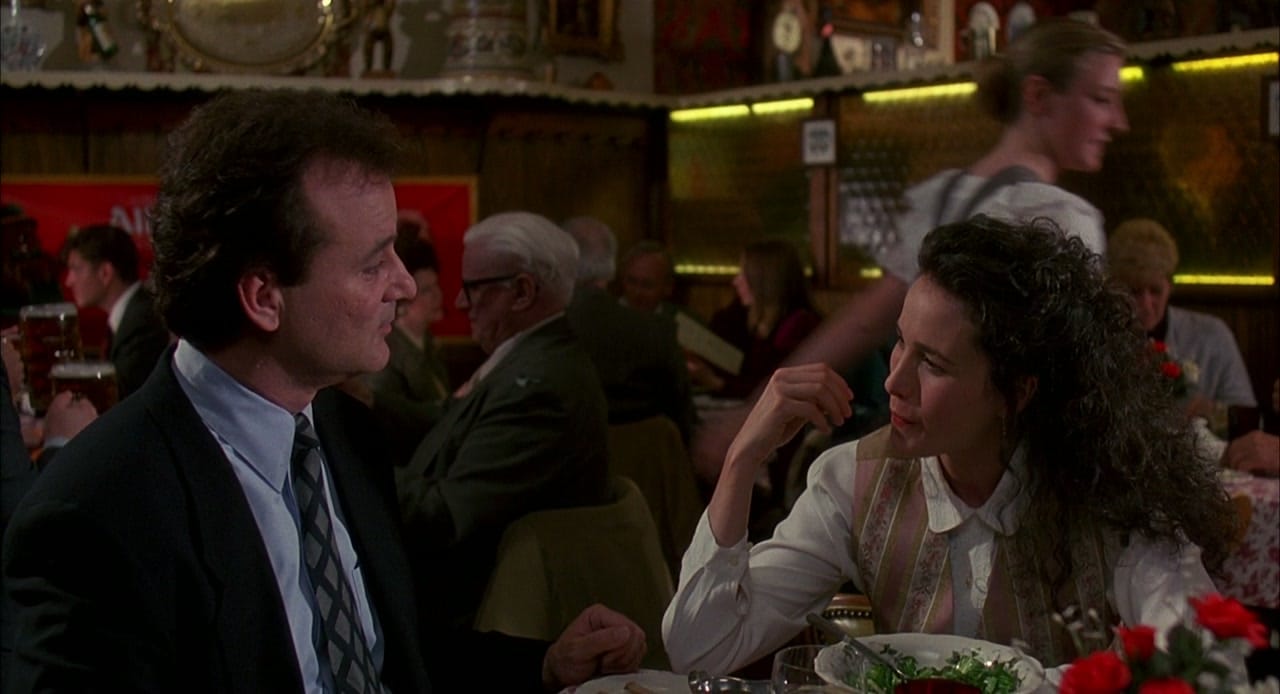
Those scenes are funny because we can see the work behind his supposedly spontaneous charm. They're uncomfortable for the same reason. Every thoughtful gesture has been tested. Every shared interest might be something he learned yesterday.
He can collect facts about her forever. At some point, he has to become someone she would actually want to spend time with.
The movie also knows when to stop being funny.
Phil's attempts to save the elderly man are essential. By then, we've seen what practice and foreknowledge can do for him. He can learn the piano. He can anticipate an accident. Give him enough tries and he ought to be able to fix anything.
Then he can't save this man.
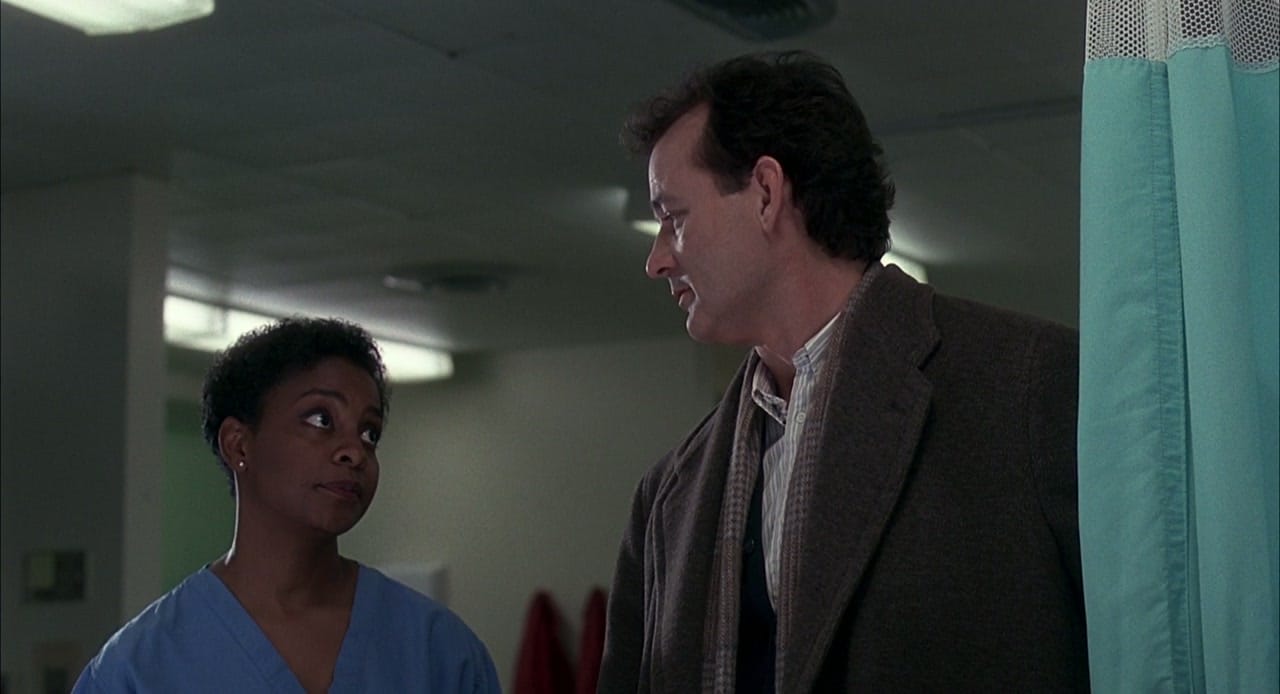
That gives his eventual kindness some weight. He's had to care about someone without being able to control how it turns out. For a guy who started the movie treating everyone as an inconvenience, that's a long way to come.
I also appreciate that we never get an explanation for the time loop.
I don't need a scene where somebody explains why February 2 is broken. I understand the situation. Phil understands the situation. Watching him live with it is the interesting part.
An explanation would give him something else to chase. Find the person responsible. Break the curse. Fix the machine. The movie keeps him in Punxsutawney with himself, which is where his problem was in the first place.
One of my favorite things about the movie is how little it tells us about the time Phil has spent there. How long has he been throwing cards into that hat? How many attempts went into getting one encounter right? How long does it take to plan a perfect day when you have to learn everyone's part in it?
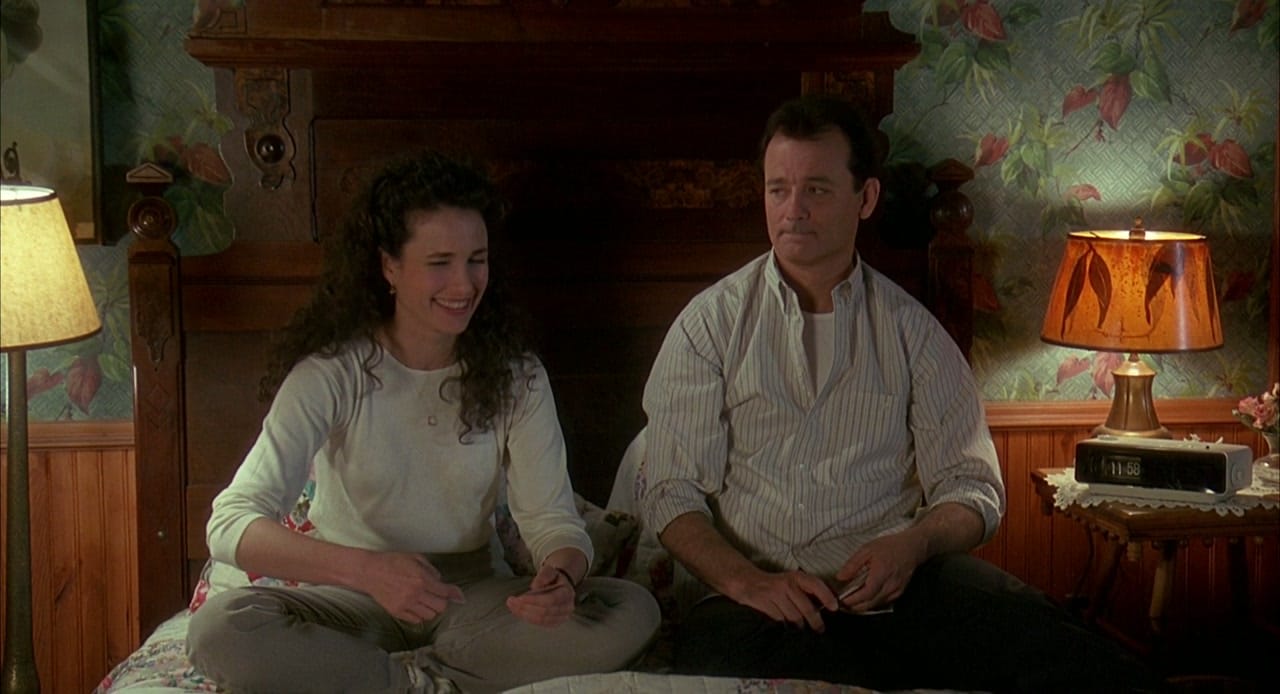
I've always watched those later sequences as glimpses into different days, with the party beginning what I think of as his final day. I don't assume every good deed and every polished skill we see belongs to one uninterrupted run. By then, we've seen enough to understand how much practice went into the person he's become. We don't need a count.
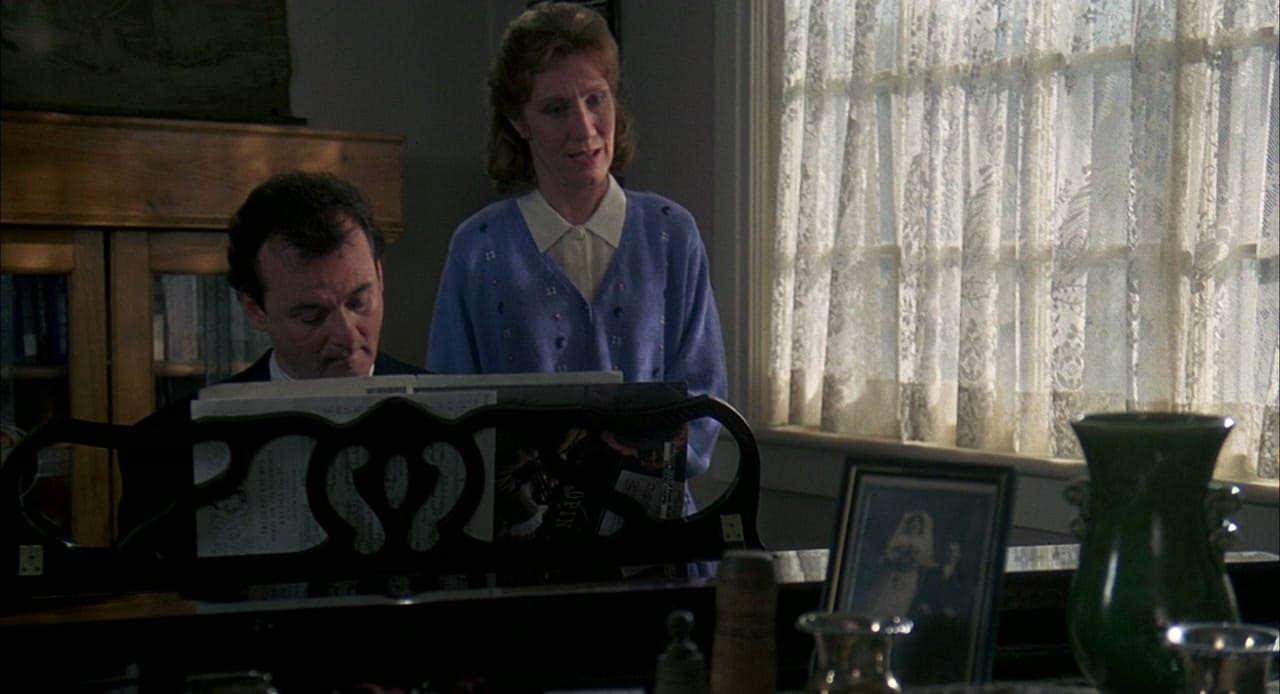
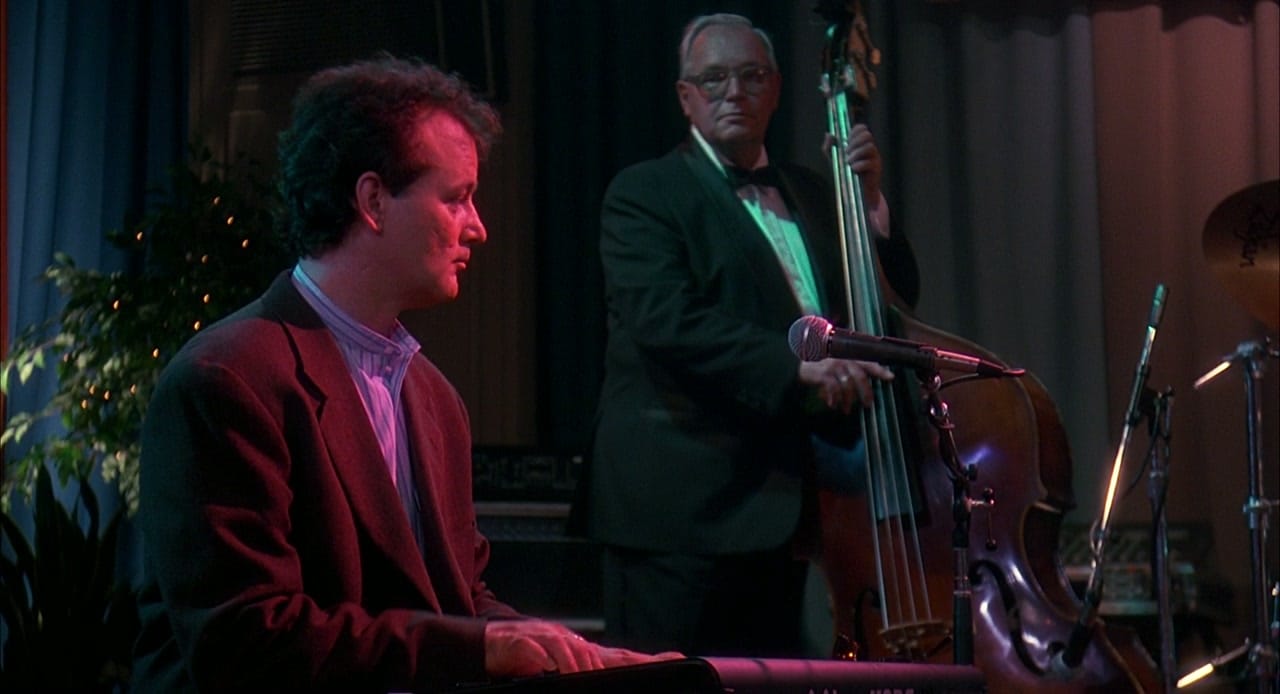
I do have a reservation about calling the script perfect. Rita could have more of a life of her own. We spend so much time watching Phil change that she sometimes feels like the person waiting to decide whether he's finally worth the trouble.
There's also Bill Murray. He gets laughs out of a look or a pause that wouldn't mean much on a page. Some of what I love about the writing is probably inseparable from what he does with it.
Still, look at how much the movie gets right. The repeated scenes stay funny. The jokes show us who Phil is. Things he learns come back later in ways that make sense. His change takes time, and the premise gives him plenty of it.
Best of all, the ending answers the complaint he's been making since we met him.
He was convinced this town and these people were beneath him. By the end, he's built a life there that he wants to keep.
I don't know that there's a perfect comedy script. But if you want to make the case for Groundhog Day, I'm listening.
Film stills from Groundhog Day (1993).